November 20, 2026
How Smaller Elderly Care Settings Improve Safety, Guidance, and Assistance
By @knoxcihx072
Business Name: BeeHive Homes of Draper
Address: 711 Pioneer Rd, Draper, UT 84020
Phone: (801) 495-3100
BeeHive Homes of Draper
Full service assisted living facility serving southern Salt Lake County offering all-inclusive Memory Care, Assisted Living, and Senior/Adult Day Care services.
711 Pioneer Rd, Draper, UT 84020
Business Hours
Most households begin checking out senior care after a scare: a fall in your home, a medication mix‑up, a roaming event, or a gradual decrease that all of a sudden ends up being difficult to ignore. In those minutes, the world of assisted living and elderly care can seem like an alphabet soup of alternatives and sales language. Buried in the details is one aspect that quietly shapes practically everything about a resident's every day life: the size of the care setting.
Having dealt with older adults in both large communities and small residential homes, I have actually seen the distinction that scale makes. Bigger is not automatically worse, and smaller is not immediately much better. However when the top priority is safety, close guidance, and truly individualized assistance, thoughtfully run smaller settings have some structural benefits that are difficult to duplicate in a big structure with a hundred residents.
This does not mean everybody must rush toward the smallest home they can discover. It implies households need to understand how size affects care, what trade‑offs are involved, and how to tell a well run small environment from one that just calls itself "comfortable".
What "small" actually indicates in elderly care
People utilize the term "small" to explain whatever from a 20‑apartment assisted living wing to a four‑bed residential care home. To comprehend the influence on security and supervision, it helps to draw some rough lines.
In many regions, senior care settings fall into 3 broad groups:
- Large communities: generally 60 to 200 homeowners, often with multiple floors, dining rooms, and activity spaces.
- Mid sized facilities: roughly 20 to 60 citizens, frequently a single structure or wing, sometimes part of a bigger campus.
- Small residential settings: generally 3 to 16 residents, typically certified as adult family homes, board‑and‑care, residential care homes, or comparable names depending on the state or country.
The labels differ by jurisdiction, however the lived experience in a 10‑resident home is really various from that in a 120‑resident facility.
In a big assisted living neighborhood, the benefits usually center on amenities: restaurant‑style dining, frequent activities, on‑site therapy, transportation, and a sense of a "town" under one roofing. The trade‑off is that staff must cover a lot of ground. A caretaker might be responsible for 12 to 18 homeowners during a shift, in some cases more, typically spread throughout a long passage or multiple wings.
In a truly small elderly care home, there may be 1 or 2 caretakers for 6 to 10 locals, all within line of sight or simply a short hallway away. There is generally one cooking area, one main living area, and bedrooms nestled carefully around them. What you quit in glossy amenities, you get in distance. That proximity is what translates into safety and supervision.
Why physical scale shapes safety
When we discuss "security" in senior care, we are actually speaking about particular risks: falls, roaming and exit‑seeking, medication mistakes, choking and aspiration, delayed reaction in emergencies, and unnoticed modifications in health status. Size affects each of these, often in subtle ways.
In a smaller setting, personnel can actually hear more. A chair scraping on tile, a closet door opening, a resident muttering in the hallway at 3 a.m. These small sounds frequently precede an incident. In a large structure with long hallways, heavy fire doors, and mechanical noise, those early cues are easy to miss.
One afternoon in a 9‑bed home, a caregiver I worked with stopped briefly mid‑conversation and stated, "That is not her normal cough." She strolled down the hall, checked on a resident, and discovered that she had started aspirating on a sip of water. Quick intervention, immediate call to the doctor, health center visit, and the resident recuperated. Would that have been caught as quickly in a dining room with 70 individuals talking over clattering meals? Potentially, but less likely.
Smaller environments also lower the distance in between danger and reaction. If a resident stands up unsteadily, a caregiver 3 steps away can offer an arm. In a big facility, a resident might stroll an unexpected distance before anyone notifications, specifically if staffing ratios are extended at specific times of day.
None of this implies large neighborhoods can not be safe. Numerous are, and they typically have more electronic cameras, nurse coverage, and security innovation. But technology hardly ever makes up for the easy truth that in a smaller space, it is harder for a problem to remain hidden for long.
Staff exposure and supervision
Supervision is not almost viewing people; it has to do with understanding them all right to observe change. Smaller elderly care homes tend to create that familiarity by design.
In a 6 to 12 resident home, every caregiver usually understands:
- Each resident's normal strolling speed and posture.
- How they like their coffee or tea.
- Which jokes land and which do not.
- What "normal" confusion looks like for that individual and what feels off.
That built up understanding becomes a casual early‑warning system. An experienced caregiver in a small setting will frequently say things like, "She is quieter at breakfast today; something is developing" or "He typically naps after lunch, but he has actually been pacing for an hour." That sort of pattern recognition is much harder when one person is handling 15 homeowners throughout 2 hallways.
Larger assisted living communities attempt to build supervision through systems: regular rounding, electronic care notes, incident reports, scheduled assessments. Those are very important, however they can develop a rhythm where personnel respond to jobs instead of to people. In a small home, tasks are still there, however they are woven into regular home life. Staff see locals from multiple angles in a single day: at the kitchen table, in the corridor, in the garden, during a TV show. Guidance is constructed into every interaction.
Families frequently discover this difference during respite care. A loved one might remain for two weeks in a 100‑resident community, then two weeks in an 8‑resident home. In the bigger community, the family might get a package of notes, a care summary, and arranged updates. In the smaller home, they often hear, "She has begun humming again after lunch; she appears more unwinded" or "He is eating much better if we sit with him and serve smaller parts initially." Both methods have value, however for vulnerable grownups with dementia, the granular observations often prevent larger problems.
Medication management and medical oversight
Medication errors are among the most typical security dangers in any senior care environment. Missing a dose of high blood pressure medicine may not cause an instant crisis. Doubling insulin or mishandling blood thinners can.
In bigger facilities, medication management often relies on medication carts, scheduled "med passes," bar‑code scanning, and different medication specialists. That structure can be very safe when staffing is stable and workflow is well arranged. The danger comes on busy shifts: a fire alarm, a fall, 3 residents requesting aid at the same time, and a med tech fast moving through a long list.
In smaller settings, there is seldom a med cart rolling down halls. Medications are usually kept in a locked cabinet or space, and the exact same caretakers who assist with bathing and meals likewise deal with routine medications, within their training and the policies of their region. The resident list is shorter, the timing more versatile. Personnel may give blood pressure pills over breakfast, eye drops in the bathroom a few minutes later on, and prescription antibiotics throughout afternoon tea.
The safety benefit here comes from 2 aspects. Initially, less residents imply less complex schedules to handle simultaneously. Second, caretakers frequently discover patterns rapidly: "She is pocketing her tablets in the afternoon; we need to attempt considering that one crushed with applesauce" or "He looks off each time we increase that dose." That feedback loop between observation and clinical adjustment tends to be tighter in a smaller environment, especially when a nurse or doctor is accessible and engaged with the home.
That stated, tiny homes can fail if they lack strong scientific oversight. Families must ask how the home coordinates with doctors, who evaluates medications routinely, and how personnel are trained. A cottage without good systems can be more hazardous than a large community with robust medical protocols.
Fall risk and the layout of daily life
Falls rarely occur out of nowhere. They approach through subtle shifts: a somewhat longer distance to the restroom, a brand-new thick carpet in the corridor, a chair put a little too far from the table. In a big facility, upkeep and design decisions are made for lots assisted living near me of individuals at the same time. That can work, but it undoubtedly suggests compromise.
In a small elderly care home, the physical environment is more like a standard house: less stairs, shorter ranges, and generally one primary location where people gather. Staff move through the same areas constantly. If a rug begins to curl at the corner, someone typically trips gently or notifications it within a day or more, not weeks later during a main inspection.
The scale also allows for practical customization. If a resident with Parkinson's freezes in narrow areas, hallway furniture can be reorganized quickly. If somebody with dementia confuses the restroom door, personnel can include a colored indication or memory hint just for that person. These small ecological tweaks straight lower fall danger and roaming without feeling institutional.
I keep in mind one resident, a former carpenter, who kept attempting to "repair" things in a big structure. In the smaller home he transferred to later on, staff gave him a safe tool kit with blunt tools and small tasks: tightening cabinet knobs, inspecting chair legs. His restless walking became purposeful movement, and his fall events dropped over the next months. That kind of flexible response is much easier to try when you are dealing with a single living-room, not a five‑floor complex.
Emotional security and the rhythm of the day
Physical safety is only half the story. Emotional security matters just as much, particularly for older adults living with amnesia, stress and anxiety, or depression.
Large neighborhoods generally run on schedules changed for functional effectiveness. Breakfast from 7 to 9, activities at 10, lunch at 12, showers on designated days, medication passes at set times. Lots of locals appreciate the structure and variety, but certain people can feel swept along by a timetable that does not match their natural rhythm.
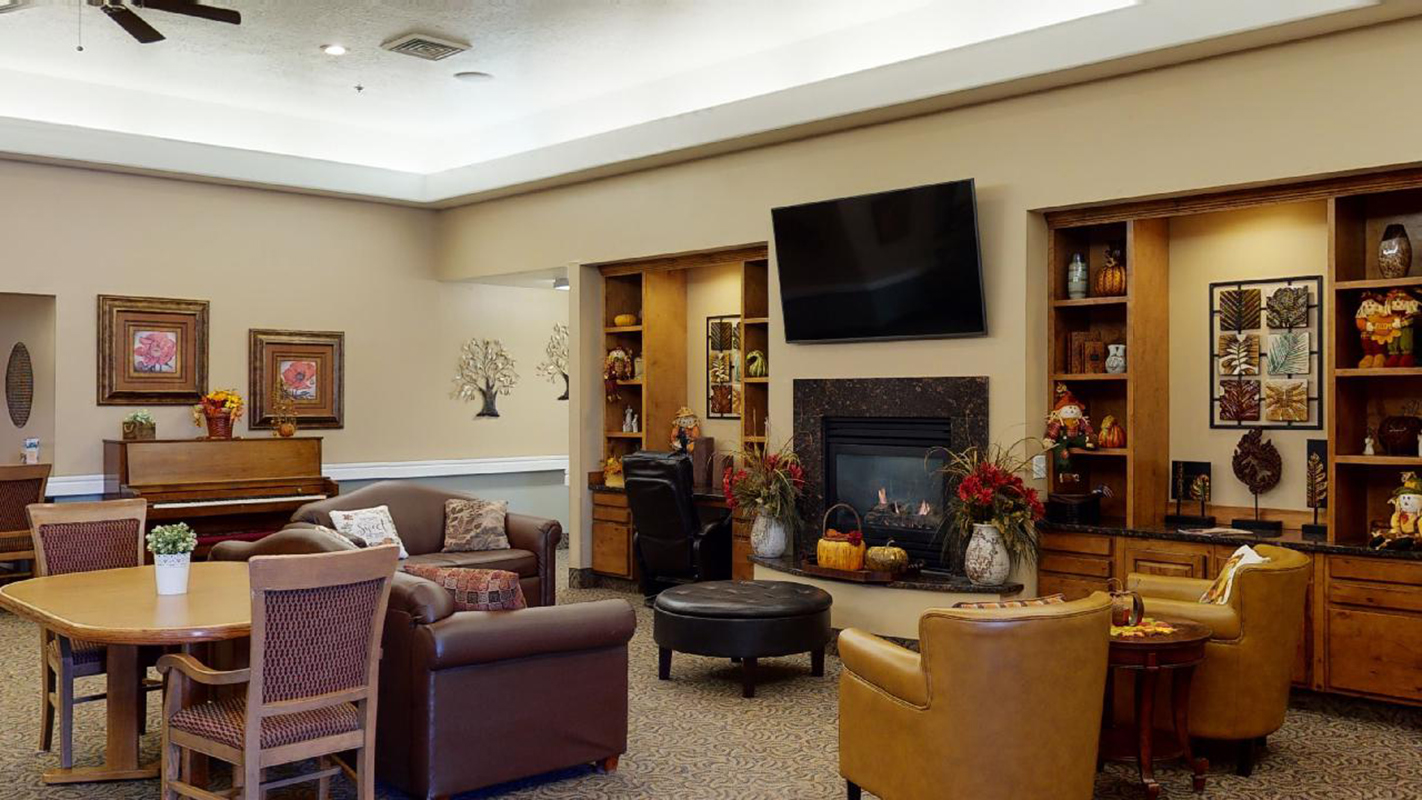
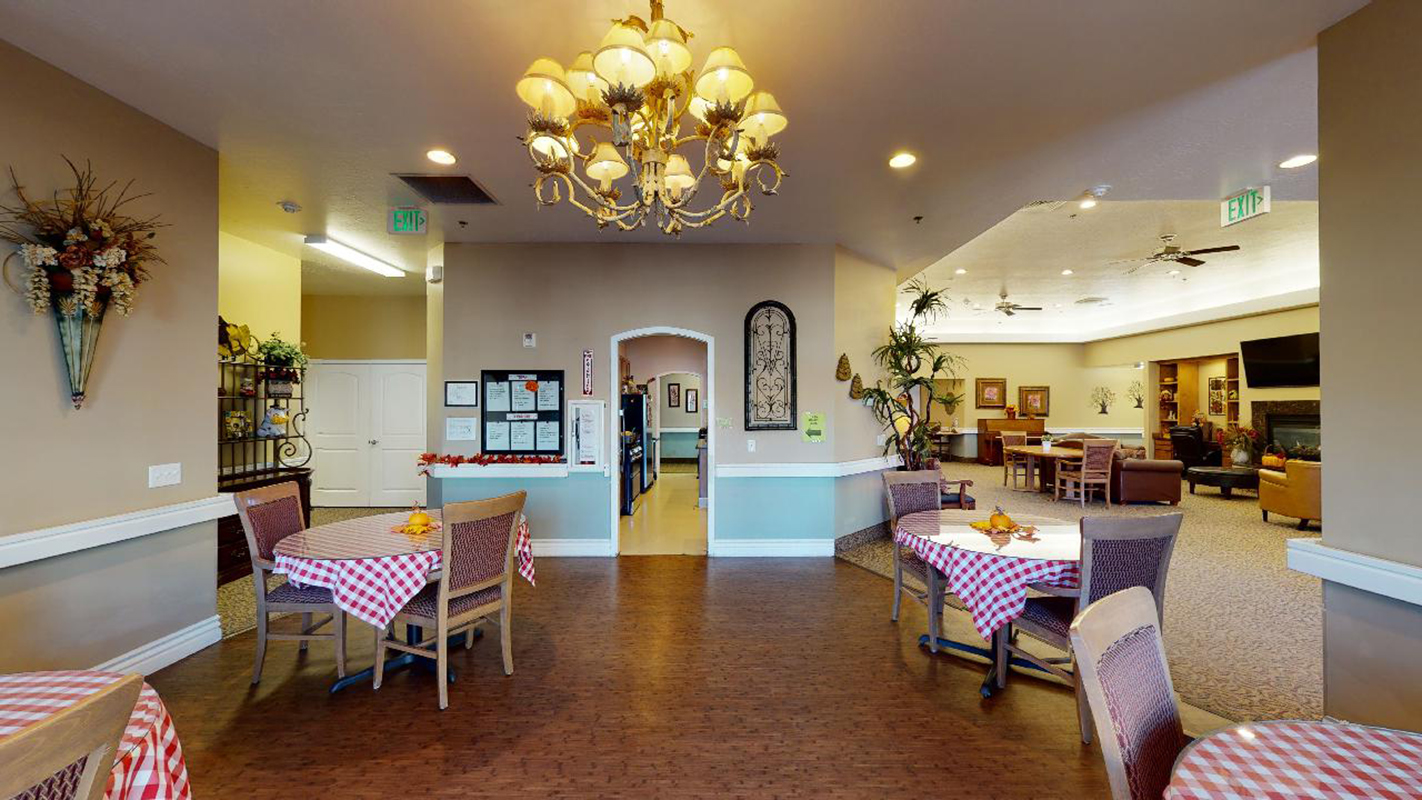
In a small residential senior care home, the speed is closer to domestic life. If someone prefers coffee at 6 a.m. And breakfast at 9, it is much easier to accommodate. If another resident sleeps inadequately and wants to sit quietly with a caregiver at 3 a.m. Viewing old films, there is room for that without interfering with lots of others.
This versatility has a direct result on agitation, specifically in citizens with dementia. When individuals are not continuously being rushed, lined up, or asked to adjust to group schedules, they tend to be calmer and less resistant. Less agitation methods less occurrences that escalate to physical restraint, sedating medications, or emergency transfers.
I have actually seen households shocked by how a parent's "behavior problems" soften in a small assisted living or board‑and‑care home. A woman who struck staff in a large memory care unit stopped doing so when she might consume in a small group at a home‑style table and spend afternoons folding towels in the kitchen area. The behavior had been an interaction of overwhelm, not an unchangeable character trait.
The role of smaller settings in respite care
Respite care is often the first genuine test of any elderly care arrangement. A brief stay gives everyone a possibility to see how a setting manages unknown regimens, medical conditions, and emotional needs.
In a large assisted living or memory care neighborhood, respite stays can be highly structured: formal admission evaluations, printed care strategies, a set room for a restricted time, sometimes a minimum stay requirement. This works well for elders who adapt quickly to brand-new environments and take pleasure in activity calendars filled with options.
Smaller homes tend to incorporate respite locals straight into daily life. There might be an extra bed room that ends up being "Grandfather's room," with the same caretakers and routines as permanent residents. On the first day, staff may sit down with the household at the cooking area table, evaluation medications and preferences, and see how the individual relocations, consumes, and interacts.
For caretakers in the house who are already extended thin, sending a loved one to a small residential home for respite can feel closer to handing them to an extended family. That sense of connection impacts how willingly older adults accept the break. A guy who declined respite in a large structure with busy corridors sometimes consents to "stay for a couple of days in that home with the garden and friendly pet dog."
Respite is likewise where guidance quality ends up being visible rapidly. Families returning after a week can detect information: Is the laundry done and labeled appropriately? Does their loved one remember staff names and feel at ease? Does the personnel recount particular occasions and preferences, or just refer to generic "She did great"?
Family participation and transparency
One of the peaceful strengths of smaller elderly care homes is the transparency that features restricted space. Families see more of what takes place, excellent and bad.
When you stroll into a big senior care facility, you typically go through a lobby, possibly a receptionist, then down corridors to a resident's space. You see a slice of life: a couple of personnel, some residents in typical spaces, decor, posted menus and calendars. Much takes place behind doors and on other floors.
In a smaller home, you often step directly into the primary living location. The cooking area smells are right there. You can hear how personnel talk to homeowners, notice whether call lights are going unanswered, and see who is in fact on shift. If something feels off, it is challenging for the environment to conceal it.
This exposure can enhance cooperation. Families are more likely to have casual chats with caregivers, share observations, and adjust care together. That ongoing conversation usually captures issues early: skin changes, state of mind shifts, family characteristics, monetary concerns. It also builds trust, which is important when tough choices develop about hospitalizations, hospice, or transitions.
Trade offs and limits of smaller settings
Small does not indicate ideal. Every model of senior care has trade‑offs, and it is essential to look at them honestly.
One obstacle is staffing depth. A big assisted living neighborhood with 80 locals may have a nurse on site every day, plus numerous caretakers, med techs, and backup staff. If someone calls in sick, there is typically a pool to draw from. In a 6‑resident home, losing even one caregiver to health problem can strain the team if there is not a solid backup plan.
Another issue is access to on‑site services. Bigger structures may offer on‑site physical therapy, going to experts, pharmacy delivery numerous times a day, and transport vans. A small residential care home might rely more on outdoors companies being available in or households arranging visits. For extremely medically complex homeowners, that extra coordination can be a burden.
Social range is also various. Some outgoing elders thrive in a large neighborhood with dozens of potential friends and several activities every day. They enjoy the feeling of "heading out" to shows, lectures, and exercise classes without leaving the structure. In a small home, the social circle is intimate. For some, that feels like household. For others, it can feel limiting.
Regulation and oversight can vary also. In lots of areas, small centers are licensed under various categories with various assessment frequencies. Some are excellent and securely run; others cut corners. Households can not presume that "home‑like" instantly implies "high quality."
The secret is to match the setting to the person's requirements and character, and after that evaluate the real operation of the home, not simply its size.
A short contrast: where small settings frequently excel
Used thoroughly, a concise contrast can clarify where small elderly care homes tend to have an edge. For numerous citizens with safety and supervision needs, smaller environments usually offer:
- Shorter reaction times when someone requires assistance or an alarm sounds.
- Closer observation and earlier detection of modifications in health or behavior.
- More versatile everyday regimens that reduce agitation and resistance.
- Stronger staff‑resident relationships, resulting in customized support.
- Easier household communication and higher openness day to day.
These are propensities, not warranties. Some big neighborhoods work hard to match or even go beyond these qualities. Still, the structural advantages of proximity and familiarity are tough to ignore.
How to examine a small elderly care home
For families thinking about a transfer to a smaller setting, the secret is not just "Is it small?" but "Is it well run, safe, and lined up with our requirements?" It helps to ground the search in a short psychological checklist during visits.
Here is one straightforward method to focus your attention while touring or setting up respite care:
- Watch how staff speak to citizens: tone, persistence, eye contact, and whether they utilize names.
- Notice smells and sounds: strong smells, continuous alarms, or raised voices can signal problems.
- Ask particular questions about staffing ratios on nights and weekends, not simply weekdays.
- Look for comprehensive knowledge: can staff explain each resident's choices and health issues?
- Clarify how emergency situations, health center transfers, and communication with families are handled.
You are not simply buying a room; you are signing up with a small environment. The quality of that ecosystem will shape your loved one's safety and sense of home more than any brochure.
Where smaller settings fit in the larger senior care landscape
Elderly care is seldom a straight line. Numerous older grownups move in between levels and kinds of care in time: independent living, assisted living, memory care, health center stays, proficient nursing, and hospice. Small residential homes and intimate assisted living settings fill a crucial niche because landscape.
For those who are too frail or cognitively impaired to live alone, however who do not require the intensity of a nursing home, a small setting can offer the right level of structure and supervision without sacrificing dignity and individuality. For family caretakers nearing burnout, a brief respite in a small home can prevent crisis and extend the possibility of continued care at home.
The pattern in numerous regions has been a gradual shift towards these "home within a home" designs. Some large campuses now create their memory care or high‑acuity assisted living as clusters of small families under one larger umbrella. Each home might host 10 to 14 homeowners, with its own kitchen and care group. That hybrid approach attempts to blend the intimacy of small homes with the resources of a big organization.

At its finest, elderly care is not about buildings at all. It is about relationships, routines, and responses to vulnerability. Smaller settings, when attentively staffed and well regulated, often make those human aspects easier to deliver. They develop environments where staff can genuinely know citizens, where families can remain carefully included, and where safety is the outcome of continuous, quiet attentiveness instead of occasional crisis response.
For families standing at the crossroads of senior care choices, paying attention to size is not a minor detail. It is a practical way to anticipate how well a setting will safeguard your loved one from preventable damage, how closely they will be supervised, and how personally they will be supported in the everyday company of living the later chapters of their life.
BeeHive Homes of Draper provides assisted living care
BeeHive Homes of Draper provides memory care services
BeeHive Homes of Draper provides respite care services
BeeHive Homes of Draper supports assistance with bathing and grooming
BeeHive Homes of Draper offers private bedrooms with private bathrooms
BeeHive Homes of Draper provides medication monitoring and documentation
BeeHive Homes of Draper serves dietitian-approved meals
BeeHive Homes of Draper provides housekeeping services
BeeHive Homes of Draper provides laundry services
BeeHive Homes of Draper offers community dining and social engagement activities
BeeHive Homes of Draper features life enrichment activities
BeeHive Homes of Draper supports personal care assistance during meals and daily routines
BeeHive Homes of Draper promotes frequent physical and mental exercise opportunities
BeeHive Homes of Draper provides a home-like residential environment
BeeHive Homes of Draper creates customized care plans as residents’ needs change
BeeHive Homes of Draper assesses individual resident care needs
BeeHive Homes of Draper accepts private pay and long-term care insurance
BeeHive Homes of Draper assists qualified veterans with Aid and Attendance benefits
BeeHive Homes of Draper encourages meaningful resident-to-staff relationships
BeeHive Homes of Draper delivers compassionate, attentive senior care focused on dignity and comfort
BeeHive Homes of Draper has a phone number of (801) 495-3100
BeeHive Homes of Draper has an address of 711 Pioneer Rd, Draper, UT 84020
BeeHive Homes of Draper has a website https://beehivehomes.com/locations/draper/
BeeHive Homes of Draper has Google Maps listing https://maps.app.goo.gl/LgtrXf95hQFVgKrY8
BeeHive Homes of Draper has Facebook page https://www.facebook.com/BeeHiveDraper/
BeeHive Homes of Draper won Top Assisted Living Homes 2025
BeeHive Homes of Draper earned Best Customer Service Award 2024
BeeHive Homes of Draper placed 1st for Utah Senior Living Communities 2025
People Also Ask about BeeHive Homes of Draper
What is BeeHive Homes of Draper Living monthly room rate?
Our monthly rates for both Assisted Living and Memory Care at BeeHive Homes of Draper are thoughtfully designed to be all-inclusive. While pricing reflects each resident’s unique care needs, families appreciate that once a rate is established, it remains stable - no hidden fees or surprise increases as care evolves. We believe in clarity, consistency, and peace of mind
Can residents stay in BeeHive Homes of Draper until the end of their life?
In many cases, yes. We are honored to support residents throughout their journey, including end-of-life care, right here in the comfort of our Draper home. There are rare occasions when medical needs exceed our licensing (such as 24-hour skilled nursing) but we’ll always guide families through any transition with care and compassion
Do we have a nurse on staff?
Yes, we do. Our Registered Nurse, Jacque Parker, R.N., works closely with local home health nurses and house-call physicians to coordinate excellent care. This collaboration allows us to meet a wide range of health needs right here at home
What are BeeHive Homes of Draper's visiting hours?
We know how important it is to stay close to loved ones. That’s why visiting hours at our Draper home are flexible and designed around what works best for the resident. You’re welcome to visit during the day... just try not to come to early and stay too late
Do You Offer Rooms for Couples?
Yes, we do! BeeHive Homes of Draper offers select suites for couples who wish to continue living together while receiving care. These shared accommodations preserve comfort and connection while ensuring both individuals get the personalized support they need. Availability is limited, so reach out to learn more
Do You Provide Senior Day Care or Respite Services?
Absolutely. Our senior day care and short-term respite care options are perfect for families who need extra help during the day or while traveling. Guests enjoy the same high-quality care, engaging activities, and home-cooked meals as our full-time residents, all in a safe, social environment. We’ll help you find a care plan that fits your schedule and your loved one’s needs.
What’s the Difference Between Assisted Living and Memory Care?
Assisted living is best for seniors who benefit from help with daily activities but still enjoy socializing and independence. Memory care is a more structured service tailored to individuals with Alzheimer’s or other cognitive conditions, with routines, guidance, and security that support safety and emotional well-being.
Where is BeeHive Homes of Draper located?
BeeHive Homes of Draper is conveniently located at 711 Pioneer Rd, Draper, UT 84020. You can easily find directions on Google Maps or call at (801) 495-3100 Monday through Sunday Open 24 hours
How can I contact BeeHive Homes of Draper?
You can contact BeeHive Homes of Draper by phone at: (801) 495-3100, visit their website at https://beehivehomes.com/locations/draper/ or connect on social media via Facebook
Conveniently located near BeeHive Homes of Draper Cinemark Draper a great movie theater with full food & drink menu. Catch a movie and enjoy some great food while you wait.
❧